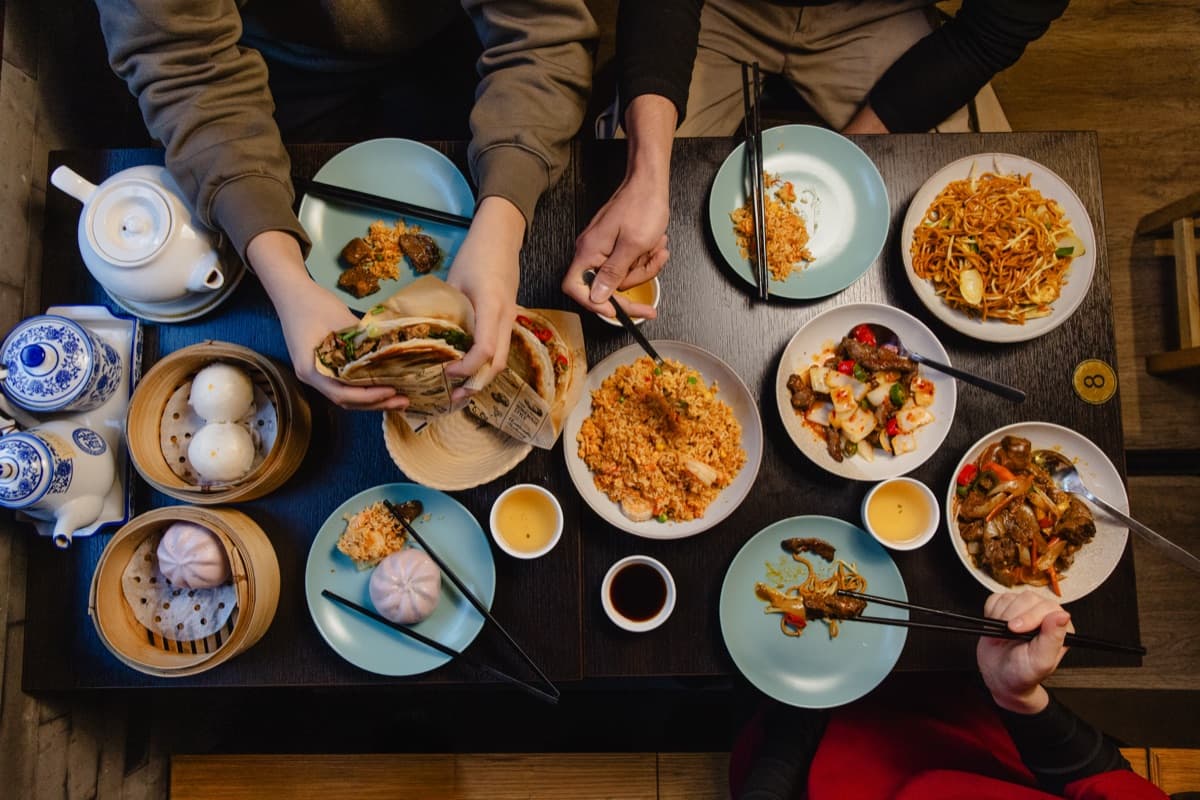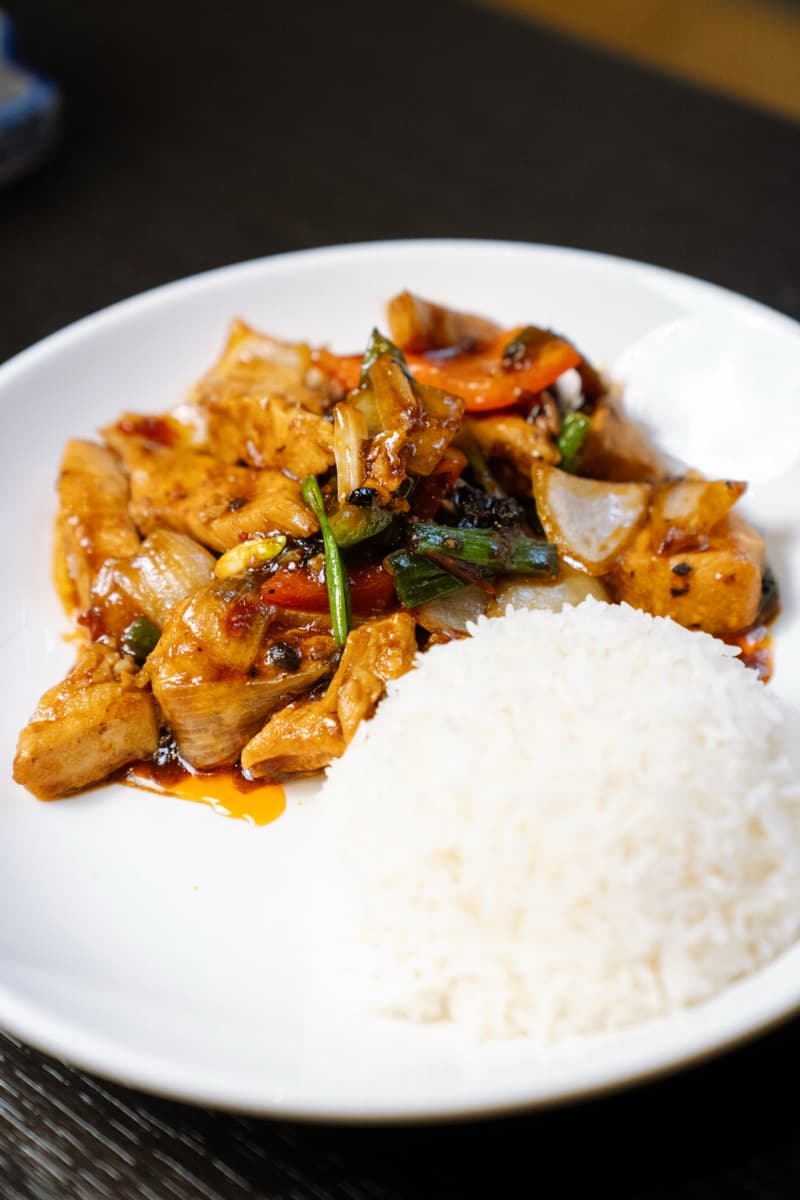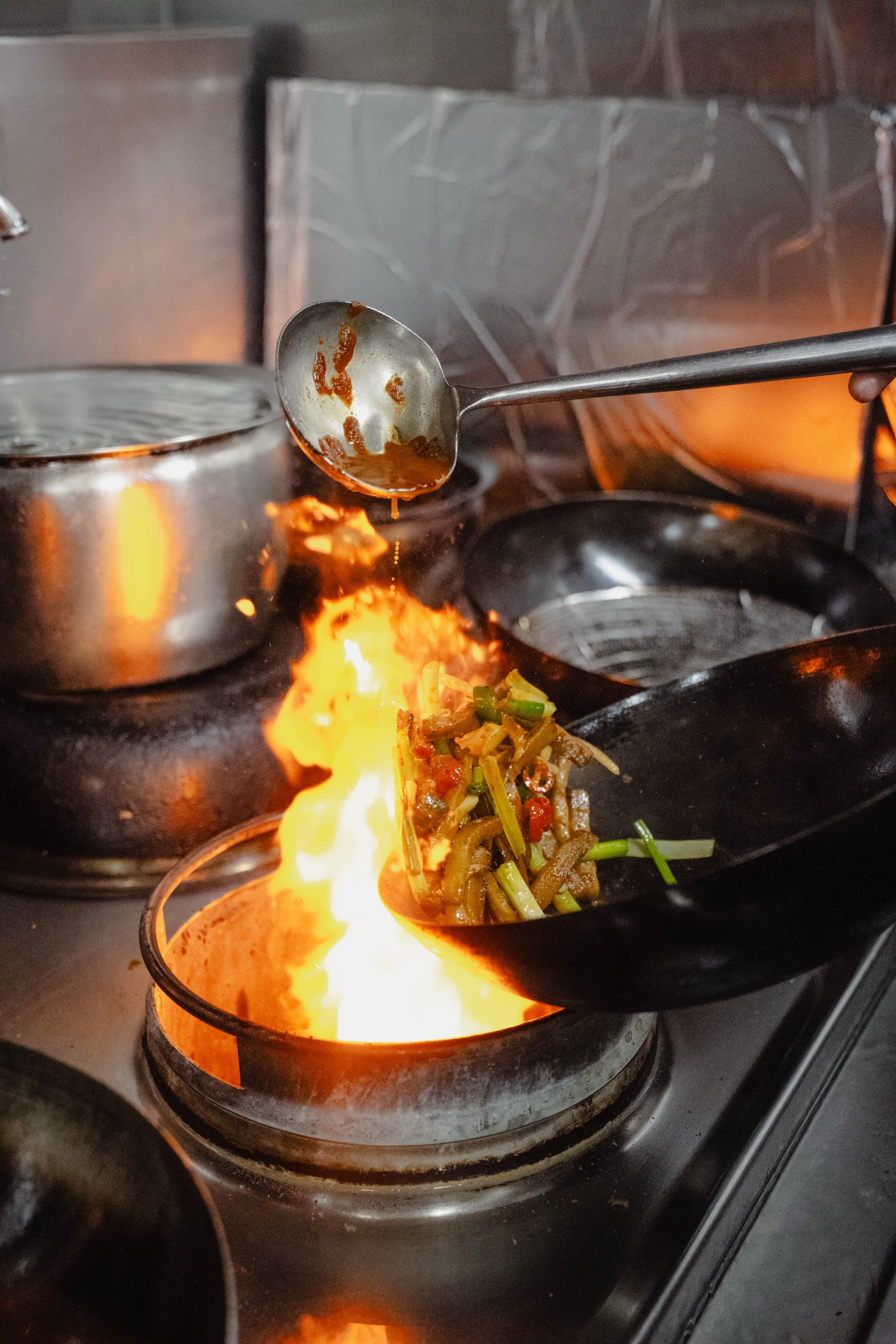
The food at The Greedy Sheep didn't appear from nowhere. It's the product of over 2,000 years of history - trade, migration, culture, and cuisine colliding along the most famous trade route in human history: the Silk Road.
What was the Silk Road?
The Silk Road wasn't a single road. It was a network of trade routes connecting China to the Mediterranean, passing through Central Asia, Persia, and the Middle East. For over 1,500 years (roughly 130 BC to 1453 AD), merchants carried silk, spices, gold, and ideas across thousands of miles.
But they also carried food. And food culture.
How the Silk Road shaped Chinese cuisine
The western end of the Silk Road in China was Xi'an - the ancient capital and starting point for traders heading west. Xi'an became a melting pot of cultures, religions, and cuisines.
Muslim traders from Central Asia and the Middle East settled in Xi'an, bringing with them: - Lamb as a primary protein (replacing pork in their cooking) - Cumin, coriander, and dried chillies from the spice trade - Flatbreads from Central Asian baking traditions - Halal food preparation practices
These traders and their descendants became the Hui people - Chinese Muslims who created an entirely new cuisine by combining Chinese cooking techniques with Islamic dietary laws and Silk Road ingredients.
The dishes they created
Lamb Noodle Soup The Hui perfected the art of [hand-pulled noodles](/blog/hand-pulled-noodles-london) served in a slow-cooked lamb broth. The technique of pulling noodles by hand was developed in Lanzhou, another Silk Road city. The broth draws from Central Asian stewing traditions. The result is pure comfort.
Rou Jia Mo Literally "meat in bread" - [braised spiced lamb stuffed into a flatbread](/blog/what-is-rou-jia-mo) that owes as much to Central Asian naan as to Chinese baking. It's been called the world's oldest burger, and it predates the hamburger by about 2,000 years.
Cumin Lamb Cumin isn't native to China - it arrived via the Silk Road. The Hui combined it with Chinese wok-frying techniques to create [one of Xi'an's most iconic dishes](/blog/northern-chinese-street-food-guide).
Why this matters today
When you eat at The Greedy Sheep, you're not just eating Chinese food. You're eating the product of centuries of cultural exchange between China and the Islamic world. Every dish on our menu has roots in the Silk Road tradition.
And because this food was created by Muslims, it's been halal from the very beginning. We're not adapting Chinese food to be halal. We're serving food that has always been halal.
That's what makes Northern Chinese street food special. It's ancient. It's authentic. And it's here in the heart of Chinatown.
The Greedy Sheep, 8 Little Newport Street, London WC2H 7JJ. Open 12pm-10pm daily.