Biang biang noodles have one of the most ridiculous names in food. The Chinese character for "biang" has 58 strokes. It is not in any standard dictionary. It exists because the noodles slap against the counter when they are pulled. Biang. Biang.
That is the sound of dinner being made.
What are biang biang noodles?
Biang biang noodles are wide, flat, hand-pulled wheat noodles from Xi'an in Shaanxi province. Imagine a belt of dough, about as wide as your thumb, stretched and slapped on a wooden surface until it is long, chewy, and slightly translucent at the edges.
They are usually served with:
- Chilli oil and Sichuan pepper
- Cumin lamb or beef
- Garlic, spring onion, and a splash of black vinegar
- Sometimes pickled vegetables or a soft egg yolk
The texture is the whole point. Wider than hand-pulled noodles, chewier than ramen, with edges that catch sauce like a sponge.
Why the funny name?
The "biang" character is so complex that schoolchildren in Xi'an are taught a rhyme to remember it. There is a horse, a moon, a heart, eight characters in total layered into one. Linguists argue it is the most complicated character in regular use anywhere in the world.
The character did not exist until the noodle did. The story goes that a hungry student invented it after eating the dish and being unable to pay. The noodle vendor accepted a written sign with the new character as payment. The character stuck. So did the noodle.
How are they made?
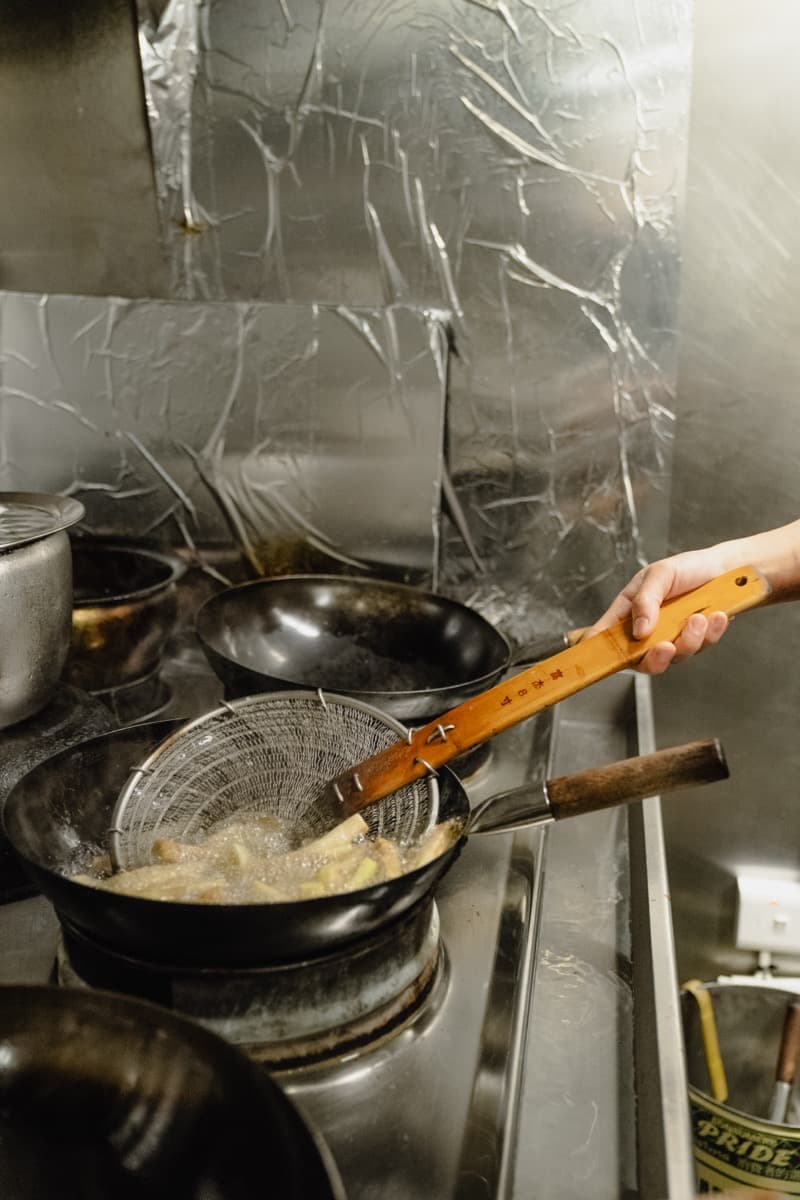
A skilled noodle puller starts with a thick rope of dough that has been rested for hours. They press a chopstick down the middle, grab both ends, and slap the dough on the table while stretching. The slapping develops gluten and gives biang biang their signature chew.
The chopstick groove makes the noodle split into two ribbons when it is pulled wide. Watch a Xi'an chef do this and it looks closer to choreography than cooking.
You cannot rush biang biang. The dough has to rest. The pull has to be smooth. The water has to be at a rolling boil. Get any step wrong and the noodle is either gummy or limp.
Halal biang biang in London
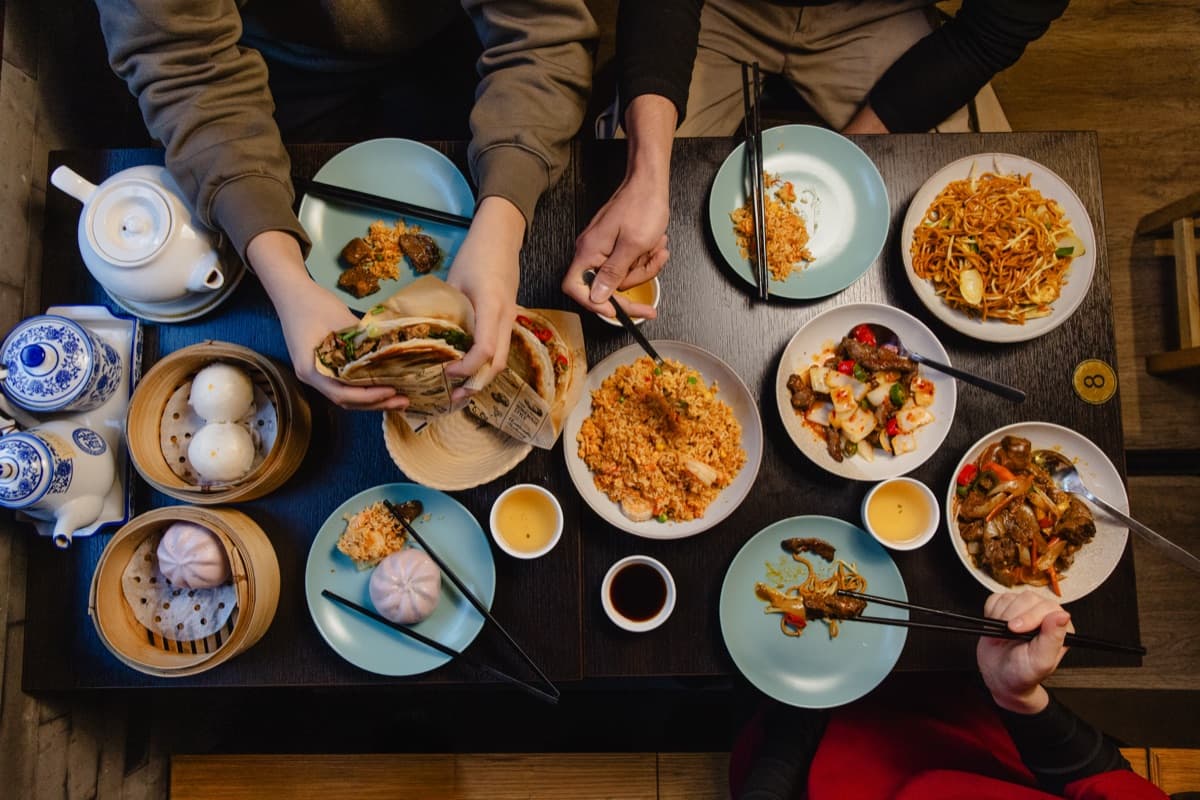
Most Chinese restaurants in London do not serve biang biang. The few that do are not halal. That is what makes Chinatown's Northern Chinese street food scene so unusual - and what makes The Greedy Sheep the easiest place to try a properly halal version.
The lamb is sourced from a certified halal supplier. The chilli oil is pure. The cumin is fresh. No alcohol in the cooking, no shortcuts in the kitchen.
What to order with biang biang
If you are eating biang biang for the first time:
- Start with the cumin lamb biang biang - the bench mark dish
- Add pan-fried dumplings for contrast
- Order cold sesame cucumbers to cool your mouth between bites
- Finish with rou jia mo - the original Chinese burger
We are at 8 Little Newport Street, in the middle of Chinatown. Open 12pm to 10pm daily. Walk-ins welcome.
Come hungry. Leave greedy.